
For a dental practice, surgical center, or veterinary hospital in Central Florida, the medical gas inspection is the gate between a finished build-out and an open door. Pass it and you see patients. Fail it and the system cannot be put into service, no matter how close the opening date is. Yet many facility owners, and plenty of general contractors, go into that inspection without a clear picture of what the inspector is actually looking for.
This guide explains the code behind the inspection, who enforces it in Florida, exactly what a medical gas verifier checks, what happens when a system fails, and how to stay compliant for the life of the facility.

What is NFPA 99 and who enforces it?
NFPA 99, the Health Care Facilities Code, governs the design, installation, testing, and verification of medical gas and vacuum systems: oxygen, medical air, nitrous oxide, nitrogen, and medical-surgical vacuum. In Florida it is enforced through several channels at once. Local building officials review and inspect the installation under the building permit. The Agency for Health Care Administration (AHCA) oversees licensed healthcare facilities. And accreditation bodies hold accredited facilities to the same standard during surveys. The practical result is that a medical gas system is checked by more than one set of eyes, and a gap found by any of them stops the facility.
Who performs the verification?
NFPA 99 requires that a new or altered medical gas system be verified by an independent third party, not the installer, before it is used for patient care. The verifier is a credentialed medical gas specialist who runs a defined series of tests and documents the results. The installer prepares the system to pass; the verifier confirms that it does.
What a medical gas inspector checks
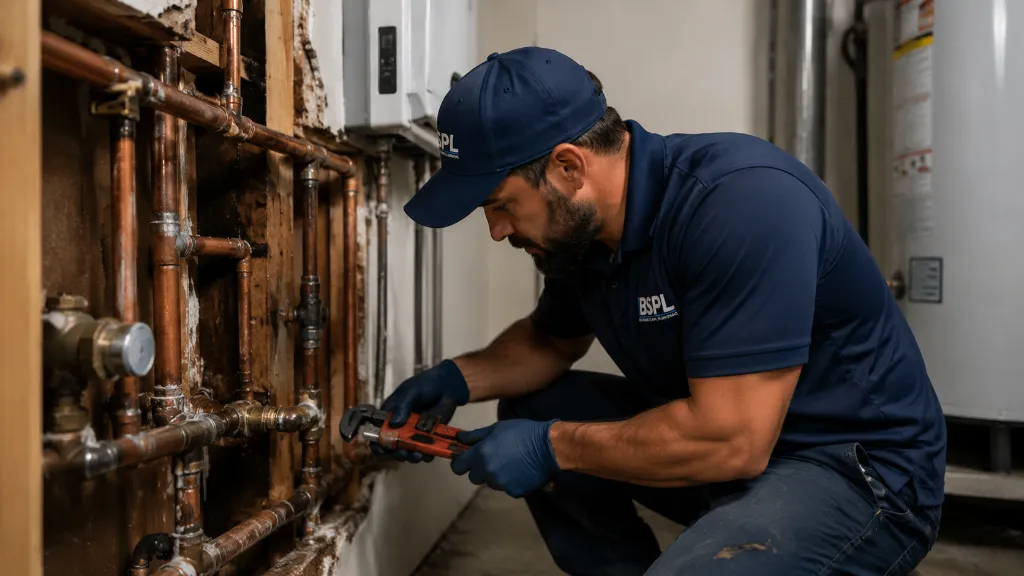
- Nitrogen-purged brazing. Every joint must have been brazed while nitrogen flowed through the pipe. The inspector looks for the clean interior that proves it and the oxide scale that proves it was skipped.
- Approved medical-grade copper. Pipe and fittings must be the correct type, cleaned and capped for oxygen service.
- Pressure and leak tests. The system must hold the required test pressure for the required duration with no loss.
- Cross-connection test. Each gas system is pressurized individually to prove that no outlet is connected to the wrong gas. This is the most critical safety test in the sequence.
- Gas purity and particulate limits. Samples at the outlets must meet medical-grade standards for purity, moisture, and particulates.
- Area and master alarms. Every alarm must trigger correctly for high and low pressure on each gas.
- Labeling and valve accessibility. Pipes, outlets, and zone valves must be correctly labeled and valves must be accessible and operable.
What happens if the system fails inspection
A failed verification means the system cannot be put into service. The facility does not open, or the altered area does not go back into use, until the deficiency is corrected and the affected tests are repeated. Depending on the failure, that can mean re-brazing joints, replacing contaminated pipe, re-piping a cross-connected outlet, or re-wiring an alarm. The cost of the fix is usually small compared with the cost of a delayed opening, which is why it pays to use an installer who builds the system to pass the first time.
When is an inspection required?
Verification is required for new systems, for alterations, and for additions. The threshold is lower than most owners expect: adding one outlet, relocating a dental chair, or moving a piece of equipment that opens the piping all trigger re-testing and re-verification of the affected portion. The rule is simple: any opened piping must be re-tested and re-verified before use. Planning a practice reconfiguration without accounting for that step is one of the most common ways facilities end up operating out of compliance.
How to stay compliant
- Use a certified medical gas installer for every installation and alteration, not a general plumber.
- Keep the verification reports on file; surveyors and inspectors will ask for them.
- Treat every change as an alteration. Before adding or moving an outlet, call your installer so re-verification is built into the plan.
- Test alarms regularly and keep zone valves labeled and accessible.
- Schedule periodic system reviews, especially before an accreditation survey or AHCA inspection.
Our NFPA 99 medical gas services cover installation, alterations, and inspection support, and our guide to medical gas installation for new construction and build-outs explains how a project is planned from the start.
Frequently asked questions
Who inspects medical gas systems in Florida?
Local building officials inspect under the building permit, AHCA oversees licensed healthcare facilities, and accreditation bodies review the system during surveys. In addition, NFPA 99 requires independent third-party verification before patient use.
Does adding one outlet require re-certification?
Yes. Any time existing medical gas piping is opened or extended, including a single added outlet or relocated equipment, the affected portion must be re-tested and re-verified before it is returned to service.
What is a cross-connection test?
Each gas system is pressurized one at a time while all other systems are at zero, to prove that no outlet is connected to the wrong gas. It is the most important safety test in medical gas verification.
Can a regular plumber install medical gas piping?
No. NFPA 99 requires installers to hold a brazing certification and specific medical gas training. Standard plumbing licenses do not cover this work, and an uncertified installation will not pass verification.
Certified medical gas compliance in Central Florida
Blessed Solutions Plumbing installs, alters, and supports inspection of NFPA 99 medical gas systems for dental, medical, surgical, and veterinary facilities throughout Orlando and Central Florida. Our work is built to pass verification the first time, backed by a licensed, insured team and hundreds of 5-star reviews.
Call (321) 732-5615 or contact us to plan your medical gas project or compliance review.