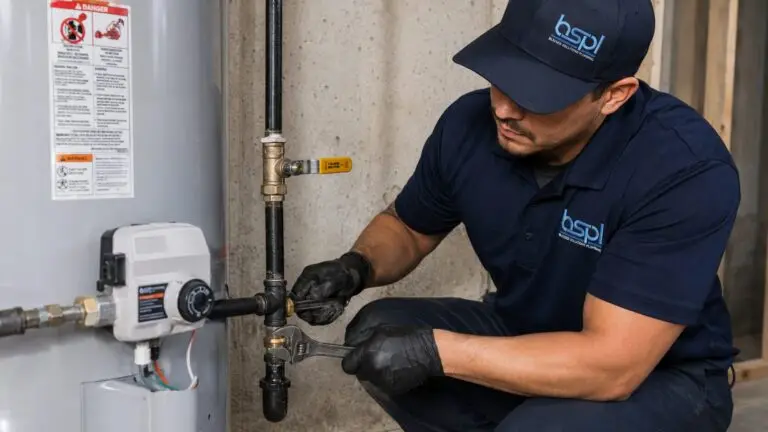
If you have an electric tank water heater in your Central Florida home, there is a good chance it is the single biggest line on your electric bill after air conditioning. That is exactly why hybrid (heat-pump) water heaters have gone from a niche product to one of the most common upgrades we install in Orlando, Kissimmee, and St. Cloud. They promise big savings, but they also cost more up front and have a few quirks that make them a great fit for some homes and a poor fit for others.
This guide explains how a hybrid works, how much it really saves, why Florida is one of the best places in the country to own one, and how to decide whether a standard tank or a hybrid is the smarter buy for you.
What is a hybrid water heater?
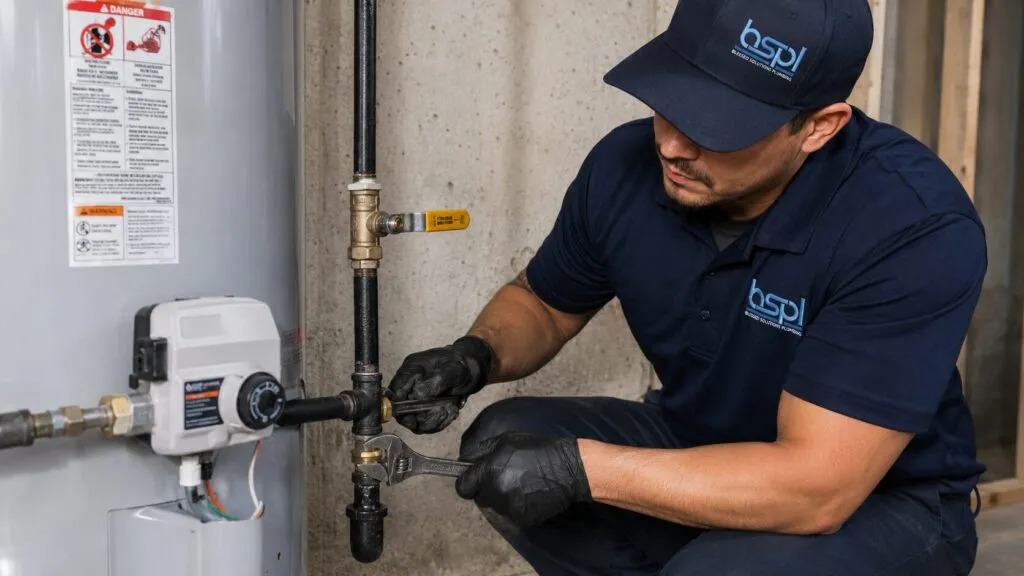
A hybrid water heater is a tank water heater with a heat pump on top. Instead of heating water directly with electric elements, it pulls heat out of the surrounding air and transfers it into the tank, the same way a refrigerator moves heat but in reverse. Because moving heat takes far less energy than creating it, a hybrid is two to three times more energy-efficient than a standard electric tank. It still has conventional electric backup elements, but it uses them only during periods of very heavy demand.
Energy savings
For a typical household, a hybrid cuts water-heating costs by roughly 60 to 70 percent compared with a standard electric tank. For a family that showers daily, runs a dishwasher, and does regular laundry, that adds up to real money every month, every year, for the life of the unit. The more hot water you use, the bigger the dollar savings and the faster the unit pays for itself.
The Florida advantage (and a bonus)
Heat pumps work best when there is plenty of warm air to pull heat from, and Central Florida delivers that almost year-round. A hybrid in an Orlando garage or utility room runs in its most efficient mode for most of the year, while the same unit in a cold northern basement would lean on its backup elements for months. There is a second benefit most people do not expect: as the heat pump extracts heat, it dehumidifies and slightly cools the air around it. In a humid Florida garage, that is a welcome side effect.
What a hybrid needs to work well
Hybrids are not drop-in replacements for every tank. They need adequate air volume around them to pull heat from; a tight, sealed closet is a poor location. They produce a fan hum while the heat pump runs, so they belong in a garage or utility space rather than next to a bedroom. They are taller than a standard tank, and they produce condensate that must be drained. Our installers evaluate your space and tell you plainly whether a hybrid will perform there or whether a standard tank or tankless unit is the better choice.
Upfront cost and payback
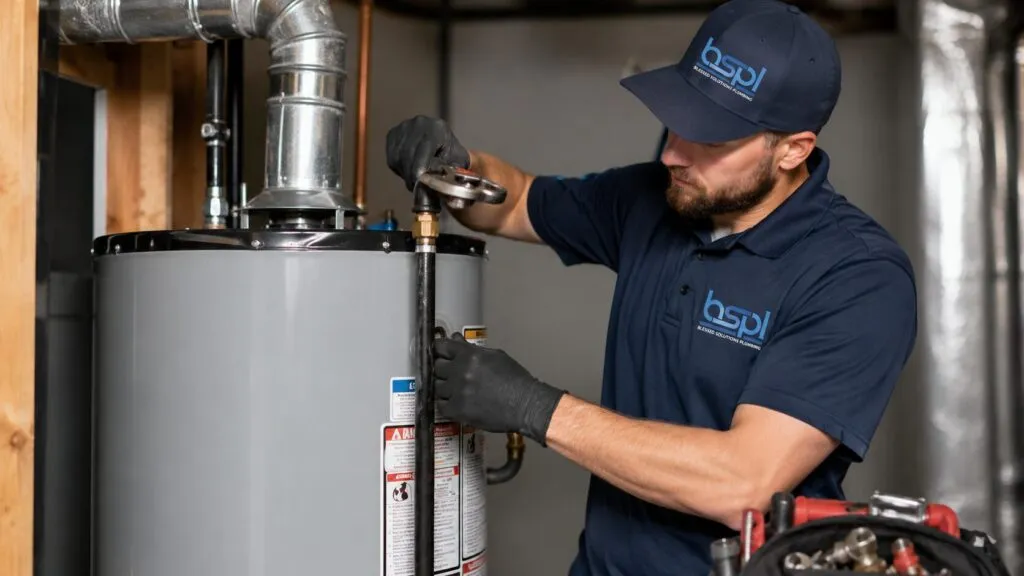
A hybrid costs more to buy than a standard tank. In exchange you get the 60–70 percent operating savings, and in many cases federal or utility rebates that shrink the price gap considerably. Households with high hot-water use recover the difference fastest, often in just a few years, and then keep saving for the remaining life of the unit. Households with very low hot-water use will still save, but the payback takes longer. We run the numbers with you so the decision is based on your actual usage.
Tank vs. hybrid at a glance
- Efficiency: Standard tank baseline; hybrid 2–3× more efficient.
- Operating cost: Hybrid roughly 60–70% lower.
- Upfront cost: Tank lower; hybrid higher, often offset by rebates.
- Location: Tank fits almost anywhere; hybrid needs air volume and a tolerance for fan noise.
- Climate: Hybrid performs best in warm climates like Florida.
- Bonus: Hybrid dehumidifies and cools the surrounding space.
- Noise: Tank is silent; hybrid has a fan hum while running.
Which is right for you?
Choose a standard tank if the lowest upfront cost is the priority, your water heater lives in a small closet, or your hot-water use is minimal. Choose a hybrid if you have a garage or utility room with room to breathe, you use a normal or high amount of hot water, and you want to cut your electric bill for the next decade. For many Orlando homes, the hybrid is simply the better long-term investment.
Frequently asked questions
How much does a hybrid water heater save?
Roughly 60 to 70 percent on water-heating costs compared with a standard electric tank, because it moves heat from the air instead of generating it with resistance elements. Savings are largest for households with higher hot-water use.
Do hybrid water heaters work well in Florida?
Florida is one of the best climates for them. Warm air year-round keeps the heat pump in its most efficient mode, and the unit’s dehumidifying effect is a bonus in a humid garage.
Where should a hybrid water heater be installed?
In a garage, utility room, or other space with plenty of air volume and a drain for condensate. A small sealed closet or a spot next to a bedroom is not ideal because of air needs and fan noise.
Are there rebates for hybrid water heaters?
Often, yes. Federal tax credits and local utility rebates are frequently available and can significantly reduce the upfront cost. We can point you to current programs during your estimate.
Get a straight recommendation
Blessed Solutions Plumbing installs standard, hybrid, and tankless water heaters throughout Orlando, Kissimmee, St. Cloud, and Central Florida, with upfront pricing, financing, and hundreds of 5-star reviews. We will look at your space, your usage, and your budget and tell you honestly which unit pays off. Explore our full water heater services.
Call (321) 732-5615 or schedule online for a water heater estimate today.