Almost every plumbing emergency we respond to in Orlando, Kissimmee, and St. Cloud had a warning sign weeks or months earlier. The burst supply line was a 15-year-old rubber hose. The flooded garage was a water heater that had been rumbling since spring. The sewage backup was a drain that had been “a little slow” for a year. Emergencies are expensive, disruptive, and, more often than not, preventable.
Here are the habits and checks that stop most plumbing emergencies before they start, in the order that makes the biggest difference for a Central Florida home.

Know where your shutoff valves are
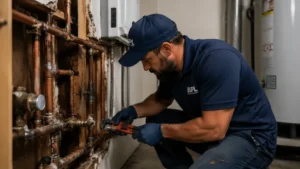
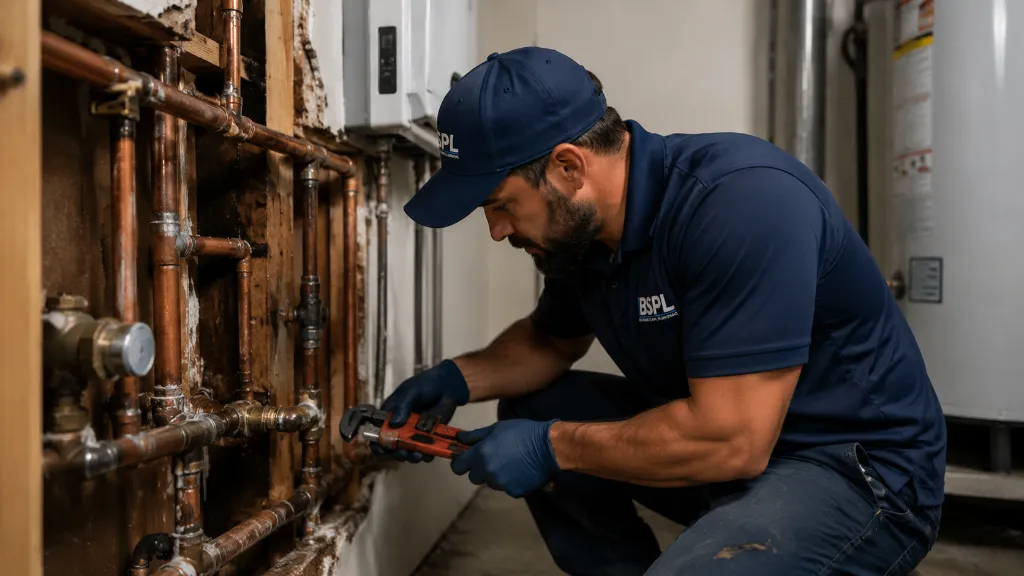
This is the single most important thing in this article. When a pipe bursts, the difference between a wet floor and a gutted room is how fast the water stops. Find your main shutoff (usually near where the water line enters the house, at the meter, or in the garage) and make sure it actually turns; valves that sit untouched for years often seize. Then locate the fixture shutoffs under every sink and behind every toilet, and the valve on the water heater. Show everyone in the household. Practice once.
Watch your water bill
A water bill that rises with no change in habits is often the first and only sign of a hidden leak under the slab or inside a wall. Compare each bill to the same month last year. If it jumps, run a quick meter test (note the reading, use no water for an hour or two, check again) and call for professional leak detection if the meter moved. Catching a slab leak early is the difference between a targeted repair and a foundation project.
Maintain your water heater
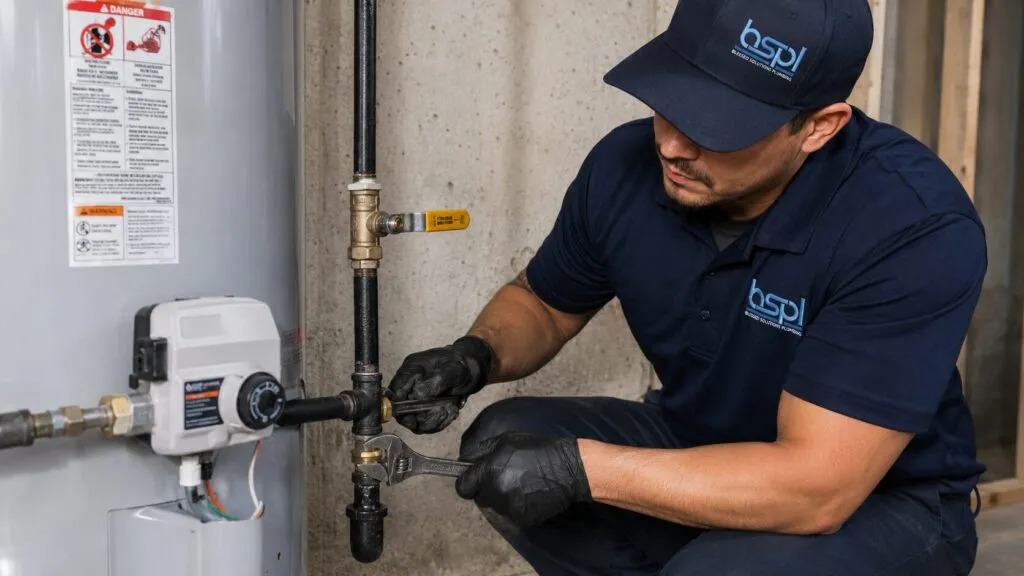
Central Florida’s hard water fills the bottom of a tank with sediment, which makes it rumble, run longer, and corrode. Flush the tank once a year to remove it, and have the anode rod checked at the same time. If your water heater’s age is past 10 years, plan the replacement now, on your schedule, rather than after it lets go on a holiday weekend. A failed tank is one of the most common sources of serious water damage we see.
Protect your drains
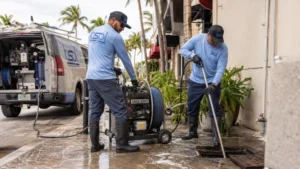
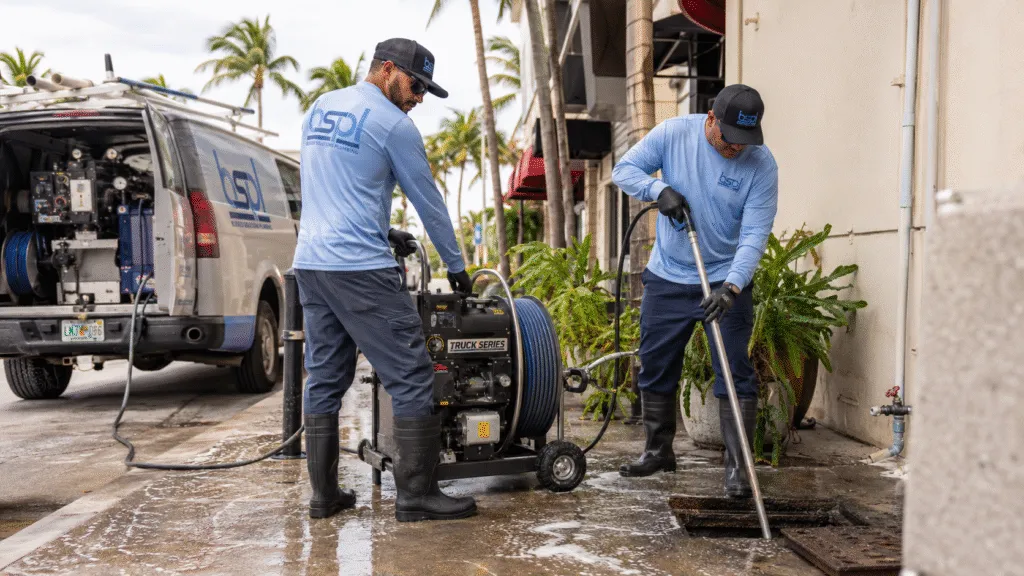
Grease, wipes, hair, and food scraps cause the majority of clogs and nearly all sewage backups. Collect grease in a can, use strainers in every drain, flush only toilet paper, and keep fibrous scraps out of the disposal. If a drain is slow or has clogged more than once, do not wait for it to stop completely; schedule professional drain cleaning or hydro-jetting while it is still a convenience problem rather than a sewage problem.
Replace aging supply lines
The rubber and braided hoses that feed your washing machine, toilets, sinks, and dishwasher are the most common cause of catastrophic indoor floods, and they are the cheapest thing to replace. If any are more than 5 to 10 years old, swap them for new stainless braided lines. The washing machine hoses deserve special attention: they run under high pressure and a failure can dump hundreds of gallons in an hour.
Schedule a yearly plumbing check
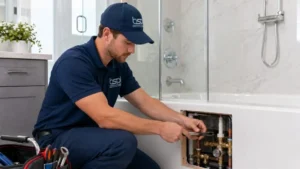
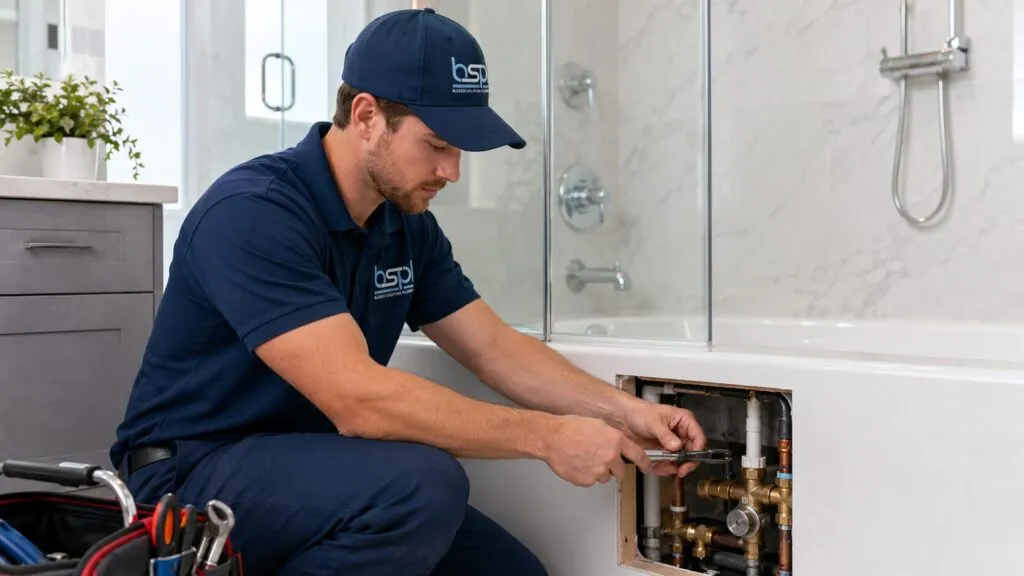
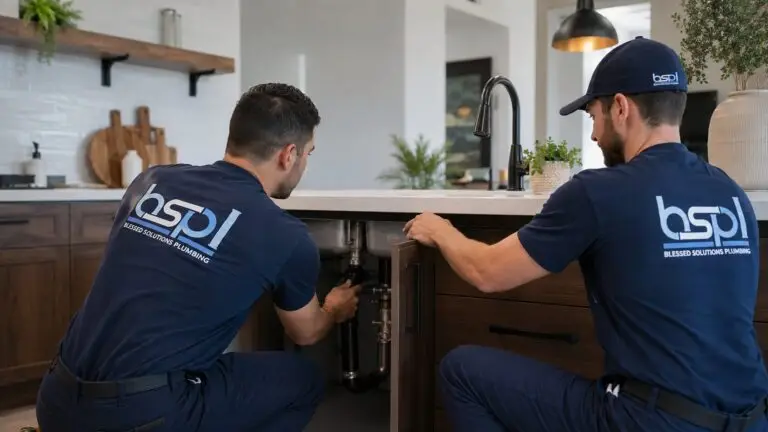
A once-a-year inspection by a licensed plumber covers all of the above in one visit: shutoff valves, supply lines, water heater, drains, visible leaks, and water pressure. It takes under an hour and routinely catches the small, cheap problems that become the big, expensive ones. Think of it the way you think of an A/C tune-up; in Florida, both are worth it.
Before hurricane season
Central Florida homeowners get one more reason to stay ahead of plumbing: storms. Before the season, confirm your main shutoff works, make sure sump and grinder pumps (if you have them) are operating, and clear slow drains so a heavy rain does not meet a half-blocked line. If you lose power during a storm and have an electric water heater, shut off its breaker until power is stable.
Frequently asked questions
What is the most common cause of plumbing emergencies?
Failed supply lines (especially washing machine hoses), aging water heaters, and clogged drains that were ignored until they backed up. All three are preventable with basic maintenance.
How often should I have my plumbing inspected?
Once a year for most homes. Older homes, homes with past leak or drain issues, and rental properties benefit from twice-yearly checks.
How do I know if I have a hidden leak?
A rising water bill, the sound of running water with everything off, warm floor spots, or musty odors are the most common signs. A meter test confirms water is leaving the system.
When should I replace my water heater to avoid an emergency?
Around the 10-year mark, before it fails. A tank that leaks on its own schedule can flood a garage or living space in hours.
Prevent problems with BSP1
Blessed Solutions Plumbing provides annual plumbing inspections, leak detection, water heater service, and drain cleaning throughout Orlando, Kissimmee, St. Cloud, and Central Florida, and when something does go wrong we are available 24/7. Licensed, insured, upfront pricing, and hundreds of 5-star reviews. Ask about The Family PlanCommercial Plan for scheduled maintenance and priority service.
Call (321) 732-5615 or schedule online to book your yearly plumbing check.