
If your Central Florida home was built or re-plumbed between 1978 and 1996, there is a real chance it still has polybutylene water pipe behind the walls. It was cheap, flexible, and fast to install, so builders used it in millions of U.S. homes from the late 1970s through the mid-1990s, including thousands across Orlando, Kissimmee, and St. Cloud. The problem is that polybutylene has a well-documented habit of failing without warning, and in Florida that failure often shows up as a flooded kitchen, a soaked slab, or an insurance headache you did not see coming.
This guide explains what polybutylene is, how to spot it, why Florida water is especially hard on it, and what a modern repipe actually involves, so you can make a calm, informed decision before a pipe makes it for you.
What is polybutylene pipe, and why is it a problem?
Polybutylene (often called “poly” or by the brand name Qest) is a gray, blue, or black plastic water supply pipe. It was marketed as the pipe of the future because it was inexpensive and easy to route through walls and attics. Unfortunately, the resin reacts with oxidants in municipal water. Over the years the pipe becomes brittle from the inside out, develops micro-fractures, and eventually splits, usually at a fitting or along a stressed bend.
The failures were widespread enough that polybutylene became the subject of a major class-action settlement in the 1990s, and it is no longer accepted by U.S. plumbing codes for new installations. The pipe that is already in your walls, however, is still there, and it is still aging.
6 signs your Central Florida home may have polybutylene
- Your home was built or re-plumbed between 1978 and 1996. This is the single biggest indicator.
- Gray, blue, or black flexible pipe where the water line enters the house, under sinks, or at the water heater.
- The stamp “PB2110” printed along the pipe. That is the polybutylene product code.
- Plastic or copper crimp fittings with a distinctive band at each joint rather than soldered or threaded connections.
- Unexplained drops in water pressure or small, recurring leaks at fittings.
- A past “pinhole” leak the previous owner patched rather than replaced.
Not sure what you are looking at? A quick plumbing inspection can confirm the material in minutes, and it is far cheaper than discovering the answer after a leak.
Why Florida water is especially hard on polybutylene
Central Florida’s municipal supplies rely on chlorine and chloramine to keep water safe. Those same disinfectants are exactly what polybutylene reacts with. Combine that with our warm attics, long hot-water runs, and homes that sit on concrete slabs, and you get a pipe that ages faster here than it does in cooler, lower-chlorine regions. Many of the poly failures we see in Orlando and Kissimmee homes happen inside the slab or above the ceiling, which is why a “small” leak can cause thousands of dollars in damage before anyone notices.
If you suspect a leak you cannot see, our Slab Leak Detection and Water Leak Detection services use acoustic and thermal tools to pinpoint it without tearing up your floors.
The Florida insurance problem nobody warns you about
Here is the part that surprises most homeowners: a growing number of Florida insurers will refuse to write a new policy, decline to renew, or add a water-damage exclusion when a four-point inspection reveals polybutylene supply lines. Even if your current carrier has not said anything yet, a future renewal, a sale, or a refinance can trigger that inspection. For many of our customers, the repipe is not only about preventing a flood; it is about keeping the home insurable and sellable.
Repair or repipe? Why patching poly rarely pays off
When a polybutylene fitting lets go, it is tempting to splice in a short repair and move on. We understand the instinct, but it is usually money spent twice. The pipe that failed is the same age and the same material as every other run in the house. The next leak is a matter of when, not if, and each emergency call, each patch, and each round of drywall repair adds up. Because of that, we generally recommend a full repipe instead of a series of repairs. It is a one-time project with a predictable price, and it resets your plumbing clock for decades.

What a repipe actually involves
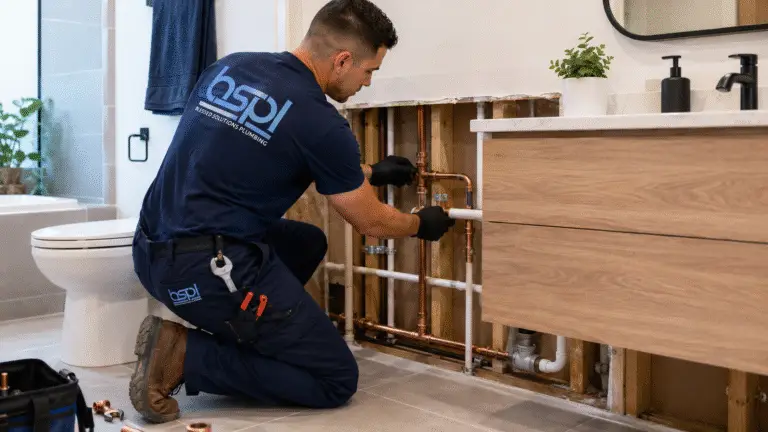
A whole-home repipe replaces every polybutylene supply line with modern PEX or copper, from the main shutoff to each fixture. Here is what to expect from our crews:
- Walk-through and upfront quote. We map every fixture, count the runs, and give you a firm price before any work begins. Nothing starts until you approve it.
- Strategic access. We open small, planned sections of drywall rather than ripping out whole walls, and we route new lines through the attic and wall cavities.
- New lines, new valves. Every fixture gets new supply lines and shutoff valves, and the main gets a new connection.
- Water back on every night. Most single-family repipes take 1 to 3 days, and we restore water service at the end of each workday.
- Pressure testing and patching. The system is pressure-tested, then the access openings are patched and ready for paint.
Learn more about our whole-home repiping service and the materials we recommend for Florida homes.
How much does a polybutylene repipe cost in Orlando?
Every home is different, so we quote each repipe individually based on the number of fixtures, the number of stories, and how accessible the existing lines are. What we can promise is upfront pricing with no surprises, and financing options for larger projects so a necessary repipe does not have to wait for the next leak to force the issue.
Frequently asked questions
Is polybutylene pipe illegal in Florida?
It is not illegal to have it in an existing home, but it is no longer approved for new installations under current plumbing codes. The bigger practical issue is insurance: many Florida carriers restrict or exclude coverage for homes with polybutylene supply lines.
Can I replace only the part of the pipe that leaked?
You can, but we rarely recommend it. The rest of the system is the same age and material, so new leaks tend to follow. A full repipe costs more up front but is almost always cheaper than a string of emergency repairs and water-damage cleanups.
How long does a polybutylene repipe take?
Most single-family homes in Orlando, Kissimmee, and St. Cloud take one to three days. We restore water every evening so you can stay in the home during the project.
Should I choose PEX or copper for the repipe?
PEX is the most popular choice for Florida repipes because it is flexible, freeze-tolerant, and uses fewer fittings. Copper is a premium, long-lasting option. We walk you through both so you can pick what fits your home and budget.
Worried you have polybutylene? Here is your next step
Blessed Solutions Plumbing is a licensed, insured, family-owned plumber serving Orlando, Kissimmee, St. Cloud, and all of Central Florida, with hundreds of 5-star reviews from homeowners who trusted us with their repipe. We will confirm what pipe you have, give you an honest recommendation, and put a firm price in writing before we touch a wall. If a line has already failed, our Emergency Plumber in Orlando team is available 24/7.
Call (321) 732-5615 or schedule online to book a polybutylene inspection or repipe estimate today.