If you manage rental homes, condos, or multi-unit buildings in Central Florida, you already know how a plumbing problem unfolds. A tenant calls at 9 p.m. about water on the floor. By the time a plumber arrives, the water heater has emptied into the unit below. Now you are coordinating an emergency repair, a water-damage restoration, a tenant complaint, and an insurance claim, all for a failure that an inspection would have flagged six months earlier.
Preventive plumbing maintenance is how property managers in Orlando, Kissimmee, and St. Cloud get ahead of that cycle. This guide covers why it pays for itself, a practical checklist, how often to schedule it, and why building a relationship with one plumber changes the economics of managing properties.
Why preventive plumbing pays for itself
The math is simple. One burst supply line or one failed water heater can cause thousands of dollars in water damage, plus restoration, lost rent during repairs, and a tenant who may not renew. A preventive visit costs a fraction of that and catches the overwhelming majority of those failures while they are still a $40 part. It also converts unpredictable emergency spending into a planned, budgeted line item, which is exactly what owners and asset managers want to see. And because scheduled work happens during business hours instead of at midnight, it costs less per visit, too.
The property manager plumbing checklist
Here is what we cover on a preventive visit, and what you should expect from any plumber you hire for it:
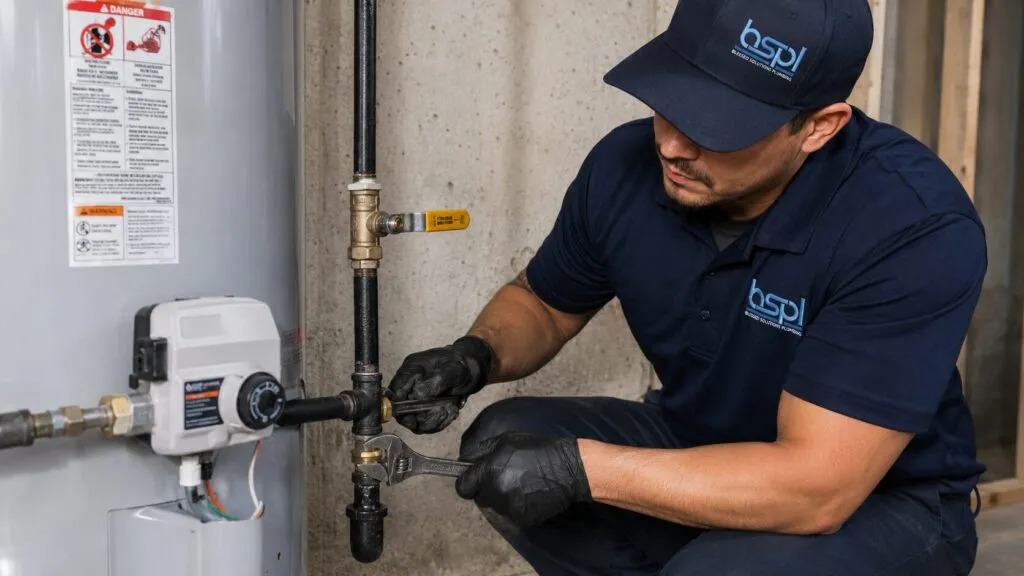
- Water heaters. Check the age and serial date, flush sediment, inspect the temperature-pressure (T&P) valve, anode rod, connections, and drain pan. Flag any unit over 10 years old for planned replacement rather than emergency replacement.
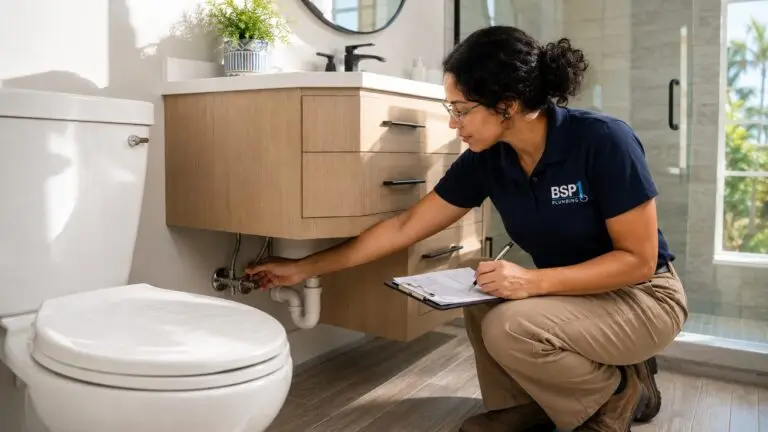
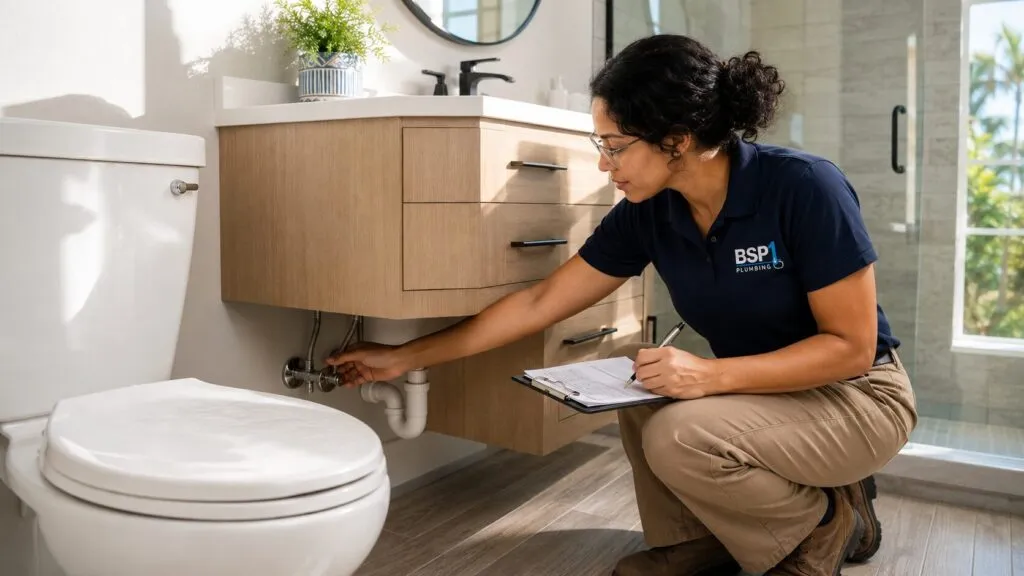
- Supply connectors. Replace aging braided and rubber supply lines at sinks, toilets, and washing machines. These are the single most common source of catastrophic indoor floods, and they are cheap to replace.
- Shutoff valves. Confirm every fixture shutoff and the unit or building main actually close. A valve that has not been turned in years often will not.
- Toilets and faucets. Fix running toilets and drips; they inflate water bills across a portfolio and signal failing parts.
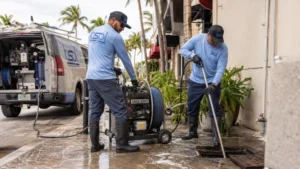
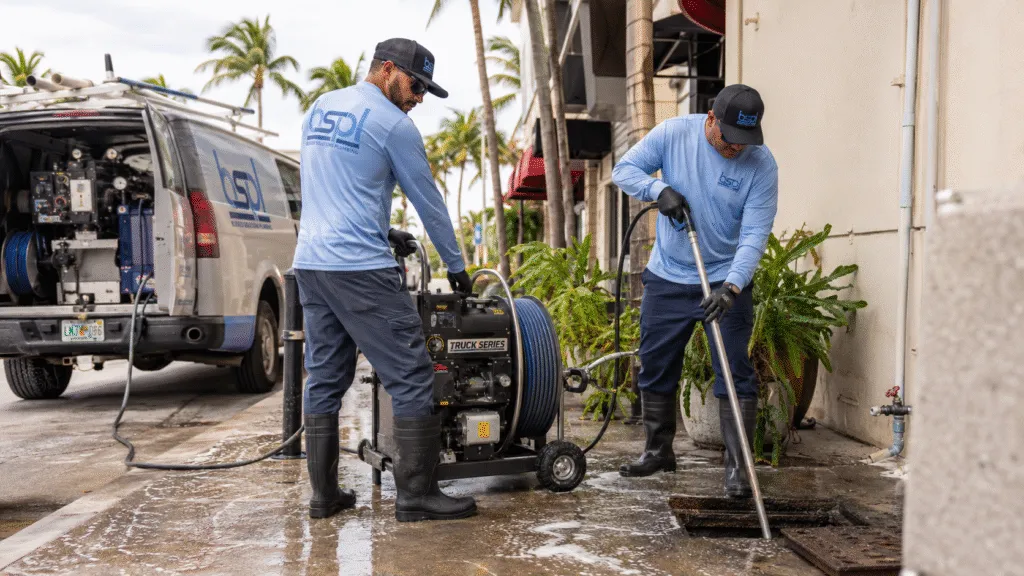
- Drains. Check for slow drains and recurring clogs, and schedule drain cleaning or hydro-jetting for lines with a history of backups.
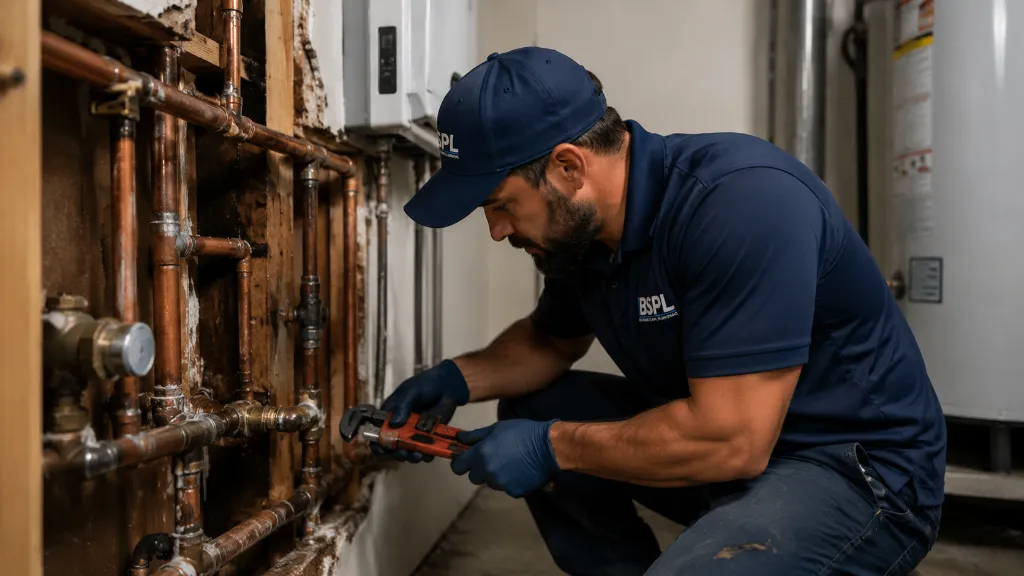
- Visible leaks and corrosion. Inspect under sinks, around water heaters, at washer boxes, and at exposed piping for moisture, staining, or green corrosion.
- Backflow certifications. Keep annual backflow preventer certifications current where required; lapsed certifications draw fines and water-service issues.
- Water pressure. Verify pressure is in the safe range; high pressure shortens the life of every fixture and appliance.
How often should you schedule it?
For most properties, an annual whole-property plumbing inspection is the right baseline. For high-turnover units, older buildings, or properties with a history of problems, we recommend twice a year. Many managers also add a quick plumbing check to every turnover between tenants, when the unit is empty and access is easy. A consistent schedule means problems are caught on a predictable cycle instead of discovered by the next occupant.
Build a relationship with one plumber
Calling a different plumber for every emergency means every visit starts from zero: no history, no knowledge of the building, no sense of which units are trouble. Working with one licensed plumber across your portfolio changes that. We learn your properties, keep records of water heater ages and past repairs, prioritize your emergency calls, and give you pricing tailored to property managers and multi-unit work. When a tenant calls at 9 p.m., you are calling someone who already knows the building. Our Commercial Plan was built for exactly this.
What to track across your portfolio
A simple spreadsheet pays for itself: water heater install dates per unit, supply-line replacement dates, backflow certification due dates, and any unit with repeat drain or leak issues. Share it with your plumber and the preventive schedule practically writes itself, and replacements get budgeted a year ahead instead of charged to an emergency.
Frequently asked questions
How often should a rental property have a plumbing inspection?
At least once a year. Older buildings, high-turnover units, and properties with past problems benefit from twice-yearly inspections plus a quick check at every tenant turnover.
What is the most common cause of water damage in rental units?
Failed supply connectors at sinks, toilets, and washing machines, followed by aging water heaters. Both are inexpensive to replace proactively and extremely expensive to clean up after.
When should a water heater in a rental be replaced?
Plan replacement around the 10-year mark, before it fails. A tank that leaks on its own schedule floods the unit and often the one below it.
Do you offer pricing for property managers?
Yes. We provide pricing tailored to property managers and multi-unit work, along with priority scheduling and 24/7 emergency response for your tenants.
Plumbing maintenance partner for Orlando property managers
Blessed Solutions Plumbing provides preventive inspections, water heater services, drain cleaning, and 24/7 emergency response for property managers throughout Orlando, Kissimmee, St. Cloud, and Central Florida, with a licensed, insured team and hundreds of 5-star reviews. Explore our full range of plumbing services, or let us build a preventive schedule for your portfolio.
Call (321) 732-5615 or contact us to set up a property maintenance plan.