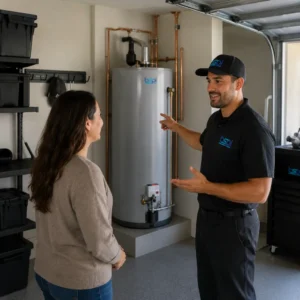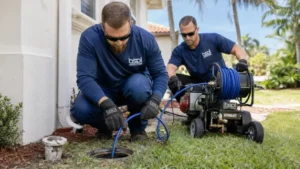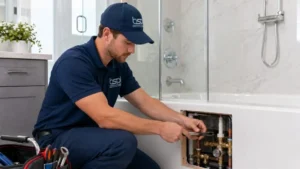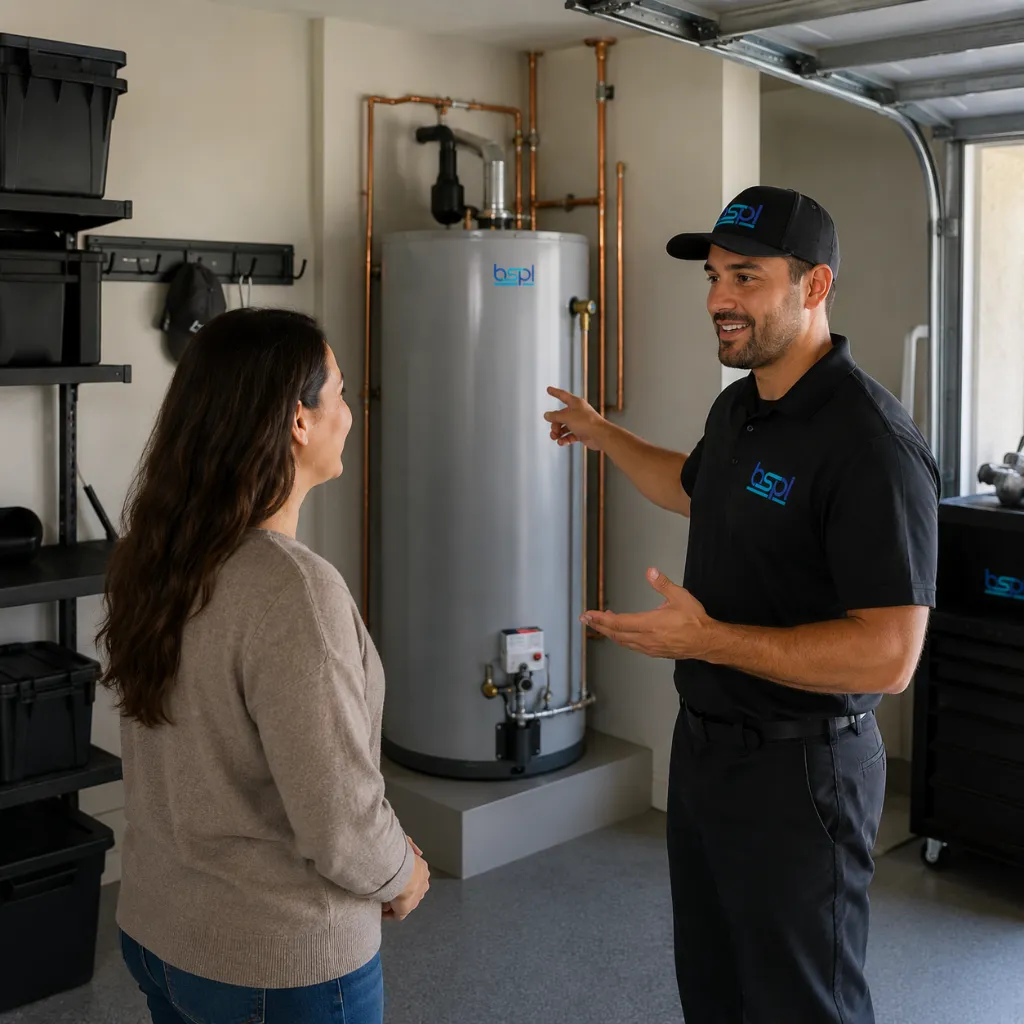
Natural gas and propane run some of the most useful equipment in an Orlando home: the water heater, the stove, the dryer, the pool heater, the backup generator that keeps the lights on during hurricane season. They also demand respect. A gas line that is undersized, poorly joined, or slowly leaking is not a plumbing inconvenience; it is a safety issue. That is why Florida requires gas work to be permitted and performed by a licensed contractor, and why this guide exists.
Below we cover how a gas line is properly installed, the warning signs that you need gas line repair, how professionals actually troubleshoot a gas problem, and what to do the moment you suspect a leak.

Gas line installation: what a proper job looks like
A new gas line is not simply a pipe from the meter to an appliance. It starts with a load calculation: every appliance on the line has a BTU demand, and the pipe must be sized so that the farthest appliance still gets full pressure when everything is running at once. An undersized line is the most common cause of a water heater that will not stay lit or a stove burner that runs weak.
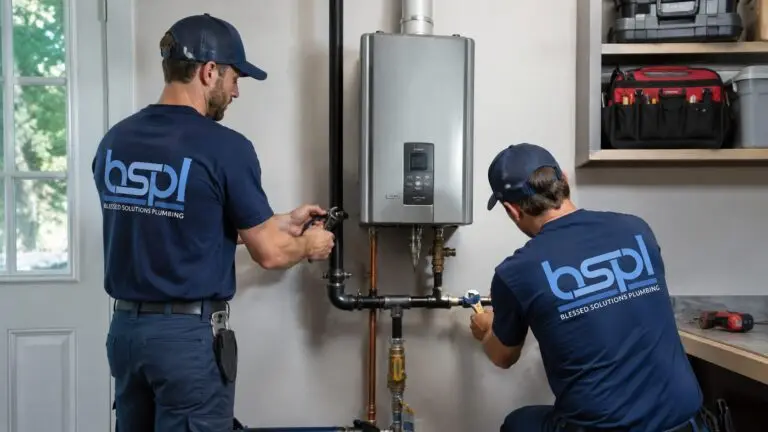
From there, the installer selects an approved material for the application: black iron for most interior runs, CSST (corrugated stainless steel tubing) where flexibility and faster routing make sense, and polyethylene (poly) for underground runs to a pool heater, generator, or outdoor kitchen. Every joint is assembled to code, the system is pressure-tested for a set period to prove it holds, and the local inspector signs off before the line is put into service. Our gas line installation, testing, and repair service handles every step, including the permit.
Warning signs you need gas line repair
Gas leaks rarely announce themselves loudly. Watch for:
- A rotten-egg or sulfur smell. Gas is odorized precisely so you can detect it; never ignore it.
- Hissing or whistling near a line, fitting, or appliance.
- A yellow or orange flame instead of a steady blue one on a burner or pilot.
- Dead or discolored vegetation in a strip over an underground gas line.
- An unusually high gas bill with no change in how you use your appliances.
- Headaches, dizziness, or nausea indoors that ease when you step outside.
- Appliances that struggle to light, short-cycle, or lose output.
Any of these warrants a professional check. Several together mean stop and call now.
If you smell gas: do this first
Do not flip switches, light anything, or use your phone inside. Leave the house immediately, leave the door open behind you, and from a safe distance call 911 and your gas utility. Then call a licensed gas plumber. Finding the leak comes after everyone is safe, not before.
How professionals troubleshoot a gas line
Once the situation is safe, diagnosis is methodical. We use electronic gas detectors to sweep lines, fittings, and appliance connections and locate even faint leaks. A soap-solution test confirms a suspected joint by showing bubbles where gas escapes. For leaks that are not at an accessible fitting, we isolate sections of the system and pressure-test each one to narrow down the location. Underground lines are traced and tested the same way before any digging. The result is a precise repair on the actual problem rather than guesswork or replacing more pipe than necessary.

Common gas line repairs we handle
- Leaking or corroded fittings and unions.
- Damaged CSST or black iron from settling, impact, or corrosion.
- Undersized lines that starve the water heater, range, or pool heater.
- Adding or relocating a line for a new range, dryer, tankless water heater, outdoor kitchen, or generator.
- Replacing old flex connectors and shutoff valves at appliances.
- Re-testing and re-certifying a system after any alteration.
Why gas work needs a licensed pro
Florida law requires gas piping to be permitted and installed by a licensed contractor, and for good reason: an improper joint, a missed pressure test, or a skipped inspection can hide a leak for months. A licensed gas plumber knows the sizing tables, the approved materials, the testing requirements, and the inspection process, and carries the insurance that protects you if something goes wrong. Blessed Solutions Plumbing is licensed and insured and pulls every required permit, so your gas work is done right and documented.
Frequently asked questions
Can a plumber install a gas line in Florida?
Yes, provided they hold the proper state license for gas work. Florida requires gas piping to be permitted and installed by a licensed contractor, and the work must pass a pressure test and inspection before the line is put into service.
How do I know if my gas line is leaking?
A rotten-egg smell, hissing near a line, a yellow flame instead of blue, dead grass over a buried line, or an unexplained jump in your gas bill are the most common signs. If you smell gas, leave the home and call 911 and your utility from outside.
How long does gas line installation take?
A single appliance line is often done in a day, including testing. Larger jobs with multiple appliances or underground runs may take longer, plus time for the inspection. We give you a clear timeline with your upfront quote.
Can you add a gas line for a tankless water heater or outdoor kitchen?
Absolutely. New lines for tankless water heaters, ranges, dryers, pool heaters, generators, and outdoor kitchens are some of our most common gas jobs. We size the line for the new load, run it to code, and test it before use.
Call a licensed Orlando gas plumber
Blessed Solutions Plumbing provides licensed gas line installation, leak detection, troubleshooting, and repair throughout Orlando, Kissimmee, St. Cloud, and Central Florida, with upfront pricing and hundreds of 5-star reviews. If you suspect a leak, we are available 24/7.
Call (321) 732-5615 or schedule online to book gas line service today.