
Pass Plumbing Inspections the First Time: How BSP’s Code-Compliance Expertise Keeps Projects Moving
Most plumbing inspections fail because of overlooked code details. You’ve already invested time and money—delays and re-inspections only add to frustration and cost. Blessed Solutions Plumbing knows the Florida Plumbing Code inside and out, so your project moves forward without surprises. Keep reading to see how our code-compliant plumbing approach helps you pass plumbing inspection first time, every time. For more information on code compliance, check out this resource.
Mastering Plumbing Inspections
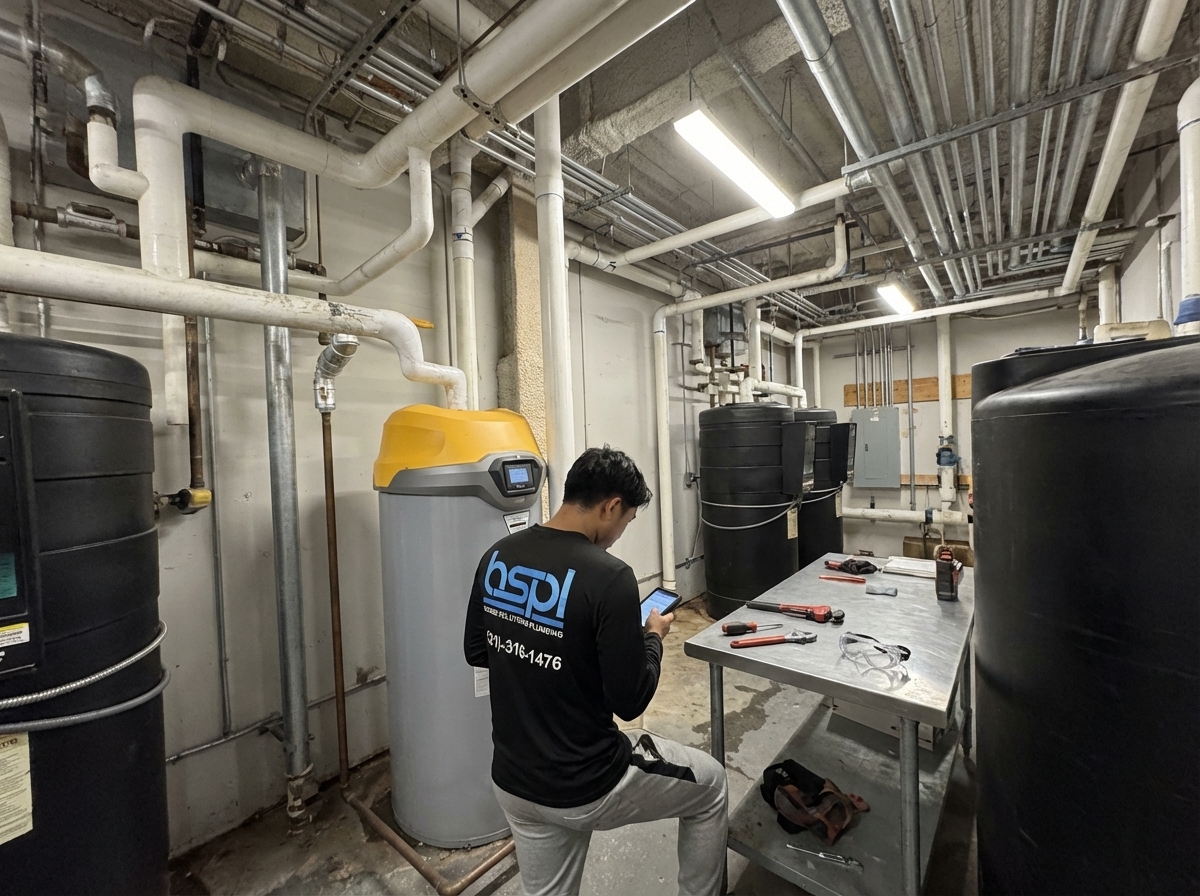
The secret to passing plumbing inspections lies in understanding and following specific code requirements. With proper planning and execution, you can avoid costly delays and re-inspections.
Code-Compliant Design Essentials
Start with a design that meets every code requirement. This ensures your project is set up for success from the beginning.
-
Plan Ahead: Before starting, check the Florida Plumbing Code to ensure your plans comply. This step can prevent future headaches.
-
Consult an Expert: A licensed plumber familiar with the local code can save you time and money.
-
Use Quality Materials: Investing in high-grade materials pays off by reducing the chance of future issues.
When your design meets all code requirements, you can focus on precise installations and thorough documentation, setting the stage for a successful inspection.
Precise Installations for Success
Precise installations are crucial for passing inspections. Sloppy work can result in failed tests and extra costs.
-
Measure Twice, Install Once: Accurate measurements prevent installation mistakes.
-
Follow Manufacturer Instructions: Ensure all installations meet the manufacturer’s guidelines and local codes.
-
Hire Skilled Professionals: Experienced plumbers avoid common installation errors.
Precise installations lead to smoother inspections, saving you time and frustration.
Thorough Documentation Practices
Documentation is your proof that the work meets code. Without it, you risk delays.
-
Keep Records: Document every step of the project. This includes permits and inspections.
-
Organize Files: An organized system makes it easy to find necessary documents quickly.
-
Provide Clear Reports: Clear, detailed reports simplify the inspection process.
Proper documentation practices reassure inspectors that your project is code-compliant.
Proactive Testing and Verification
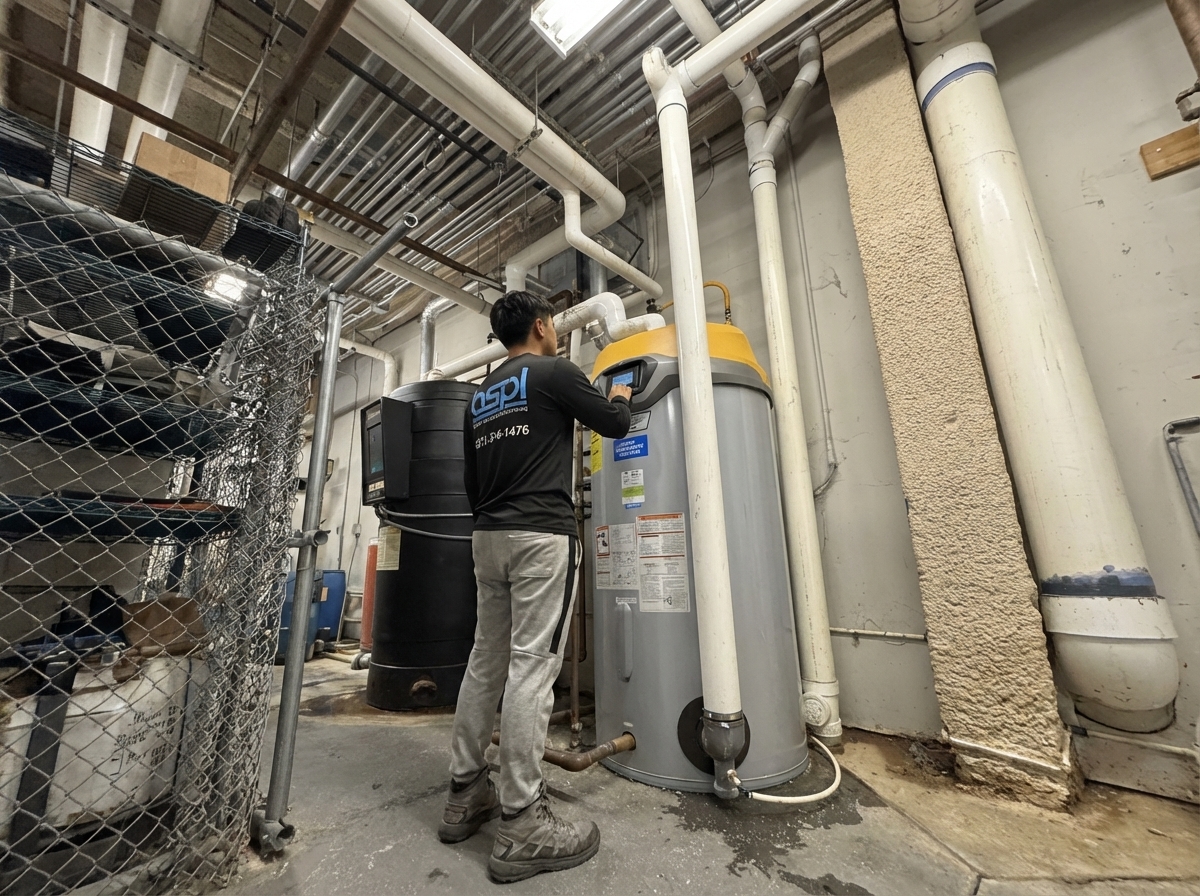
Testing and verification are key to ensuring your plumbing system functions correctly. These steps help identify issues early, reducing the risk of inspection failure.
Pressure Test Plumbing Explained
Pressure testing checks for leaks and weaknesses in the system. It’s a vital step in passing inspections.
-
Perform Early: Conduct pressure tests early in the project to allow time for corrections.
-
Use Correct Equipment: Ensure you have the right tools for accurate pressure readings.
-
Document Results: Keep detailed records of test results for inspector review.
Understanding pressure testing can prevent unexpected inspection failures.
Backflow Prevention Testing Basics
Backflow prevention is crucial for protecting your water supply from contamination.
-
Install Backflow Devices: These prevent contaminated water from entering the clean supply.
-
Regular Testing: Routine tests ensure devices function correctly and comply with code.
-
Maintain Records: Document tests and maintenance for inspector access.
Proper backflow prevention safeguards your plumbing system and ensures code compliance.
Cross-Connection Control Methods
Cross-connections can lead to serious health hazards. Control methods are vital for maintaining safety.
-
Identify Cross-Connections: Regularly inspect your system for potential cross-connections.
-
Install Protective Devices: Use air gaps and backflow preventers to protect your water supply.
-
Conduct Regular Checks: Frequent inspections ensure your system remains safe and compliant.
By controlling cross-connections, you protect your water supply and pass inspections with ease.
Streamlining Permits and Approvals
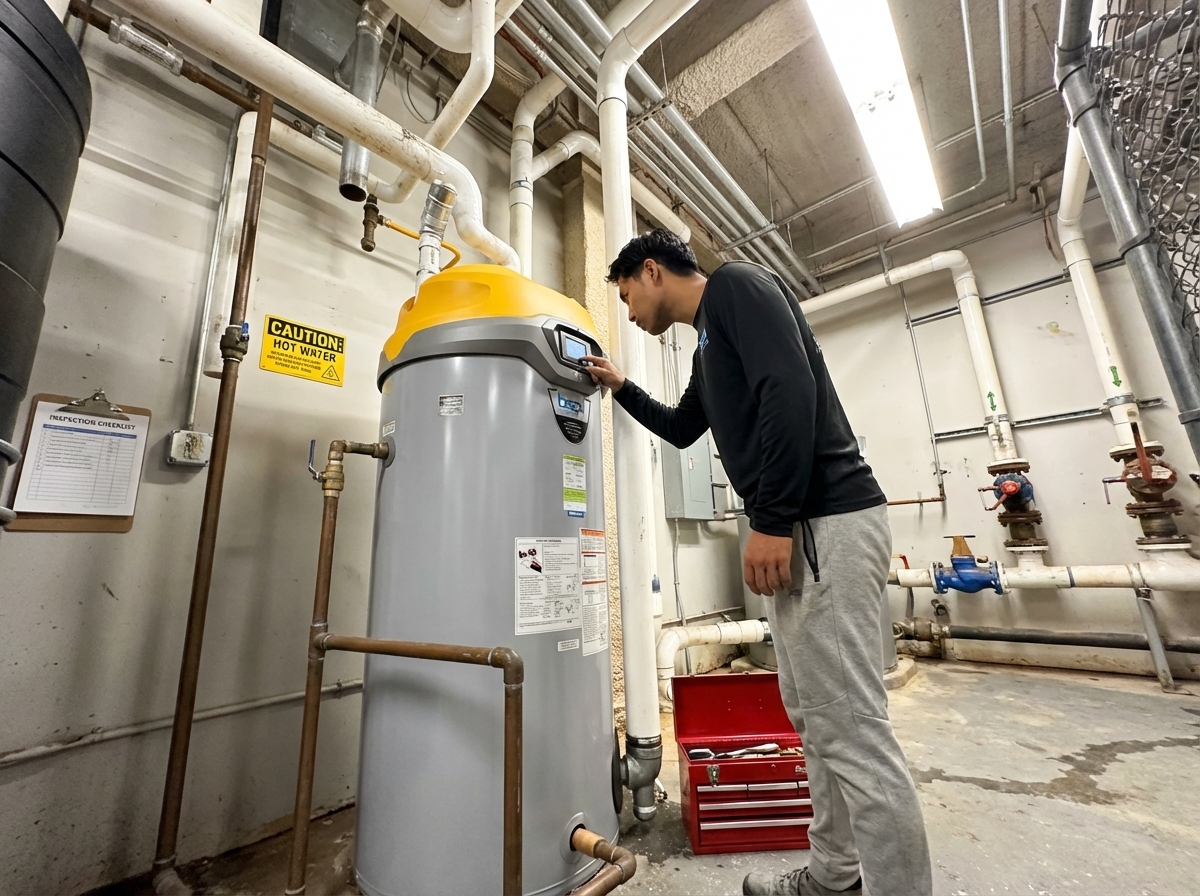
Securing permits and approvals is essential for legal compliance. Understanding the process can save time and reduce stress.
Navigating Plumbing Permits Florida
Navigating the permit process in Florida can be complex, but it’s essential for project success.
-
Research Requirements: Know what permits your project needs by consulting local authorities.
-
Submit Applications Early: Early application submission can prevent delays.
-
Follow Up: Regularly check the status of your applications to keep the process moving.
Knowing how to handle permits ensures your project stays on track.
Scheduling and Day-of Representation
Inspection days can be stressful, but proper representation can make a difference.
-
Prepare in Advance: Make sure all work is complete and code-compliant before the inspector arrives.
-
Be Present: Having a knowledgeable representative on-site can address inspector concerns immediately.
-
Communicate Clearly: Good communication with the inspector can resolve issues quickly.
Day-of representation helps inspections go smoothly, preventing unnecessary delays.
Punch-List Closeout Strategies
Closing out the punch list means addressing any final issues to complete your project.
-
Create a Comprehensive List: Document all outstanding tasks and prioritize them.
-
Resolve Issues Promptly: Address every item on the list quickly to avoid delays.
-
Conduct a Final Review: Ensure all work is complete and code-compliant before the final inspection.
A thorough punch-list strategy ensures you finish strong, with a successful final inspection.
By mastering these elements of plumbing inspections, you can minimize costs and avoid unnecessary setbacks. Keep these strategies in mind to ensure your next project passes inspection the first time around.