Contractor’s Essential Guide to Central Florida Plumbing Code Compliance
You just spent weeks chasing down permits and juggling inspections that didn’t go as planned. Missing a detail in the Central Florida plumbing code can stall your project and rack up costly delays. This guide breaks down the Florida Building Code plumbing requirements and local AHJ rules to keep your construction on track from start to finish.
Navigating Central Florida Plumbing Code
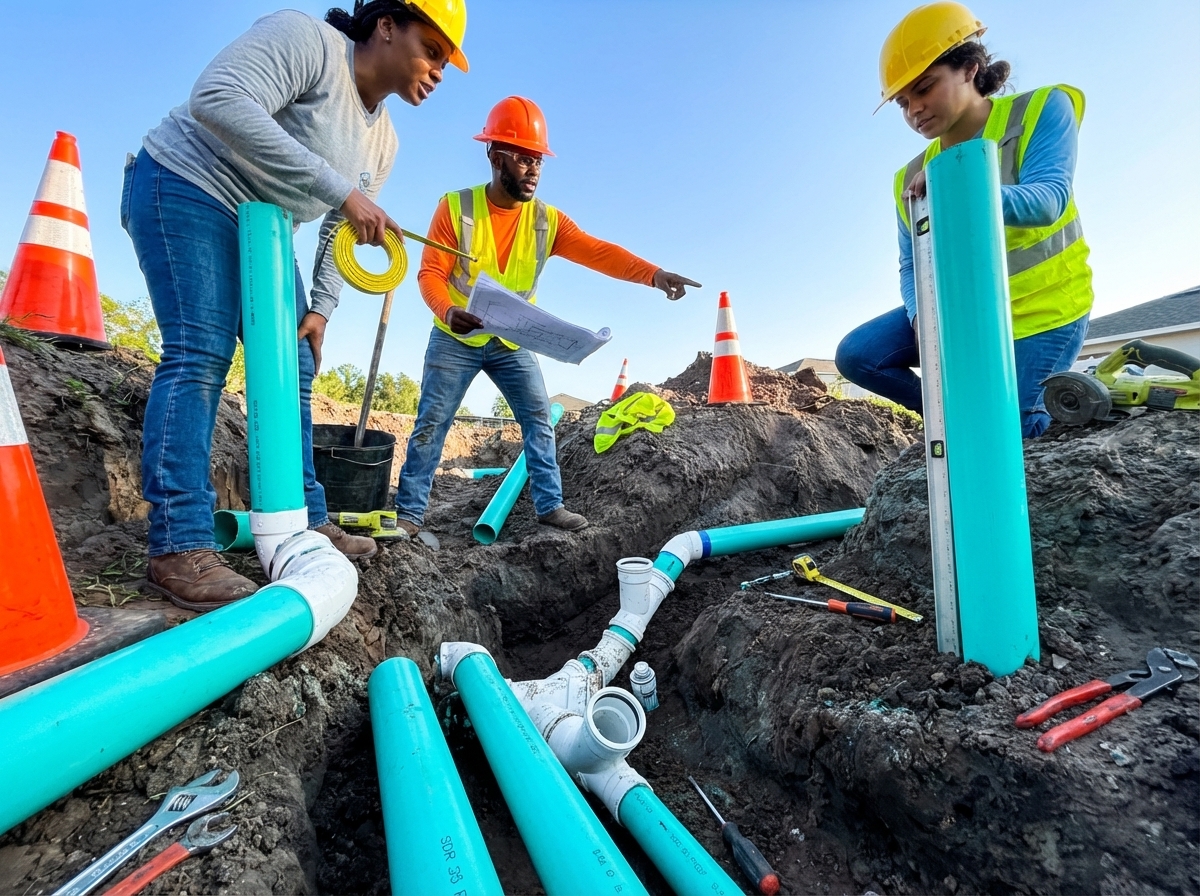
Navigating through Central Florida’s plumbing code requires more than just a quick glance. You need a thorough understanding to avoid project stalling issues.
Understanding FBC Plumbing 8th Edition
The Florida Building Code Plumbing 8th Edition is your roadmap. It outlines the essential rules for plumbing projects in the region. This edition focuses on safety and efficiency, ensuring systems meet state standards. Understanding these guidelines is key to staying on track. Most people think they can skim through, but deep knowledge saves time. This code acts as your foundation for any plumbing work in the area, helping you prepare right from the start.
AHJ Coordination in Central Florida
Next up is dealing with AHJs or Authorities Having Jurisdiction. They oversee code compliance in various regions. Each has unique requirements, which can be confusing. Knowing who to contact and when can prevent mistakes. Many believe a one-size-fits-all approach works, but local nuances matter. Reach out early to coordinate and gain approval before work begins. This proactive step ensures smooth sailing later on.
Avoiding Rework and Delays
Rework can be a nightmare. Time and money are at stake. Missing a simple detail often leads to this frustration. Ensure every part of your project meets code from the get-go. Use a checklist to double-check your progress. While many underestimate this step, it’s crucial for avoiding setbacks. Identify common pitfalls early to finish your project without hitches.
Preparation for Plumbing Inspections
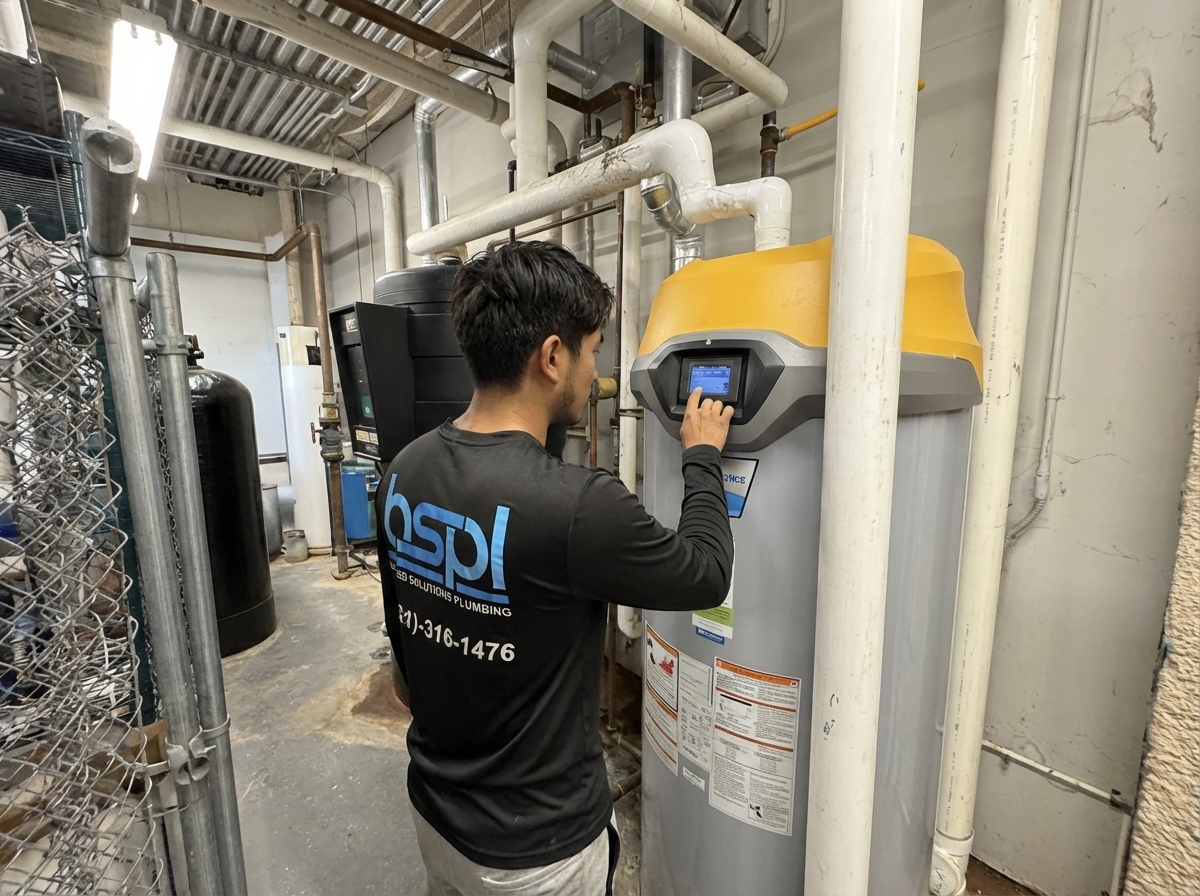
Inspections can make or break your timeline. Preparing properly keeps your schedule intact and your project moving forward.
Rough-in Inspection Requirements
The rough-in inspection is your first hurdle. Inspectors check the initial plumbing layout before walls are closed. This step verifies that installations align with the code. Preparing here means checking pipe sizes, ensuring correct slopes, and securing fittings. Failing this inspection sets you back, causing costly delays. By focusing on compliance now, you build a solid foundation for later stages.
Final Plumbing Inspection Essentials
Reaching the final plumbing inspection means you’re almost at the finish line. This stage ensures everything works as intended. Confirm that all fixtures are operational and meet prescribed standards. A common mistake is underestimating fixture alignment or pressure checks. Double-check these areas to guarantee passing this crucial inspection. Proper preparation here ensures no last-minute hiccups.
Plumbing Inspection Checklist Tips
A checklist can be your best friend. It covers the essentials in an organized manner. Include items like valve placements, backflow prevention, and pipe labeling. While some see checklists as mundane, they prevent oversights. Use yours to ensure every detail meets code. This careful approach eliminates surprises and streamlines your inspection process.
Code Compliance in Specialized Projects
Specialized projects come with unique challenges. Meeting compliance here requires specific knowledge and preparation.
Medical Gas Installer NFPA 99 Standards
For medical facilities, NFPA 99 standards are non-negotiable. These guidelines ensure safe installation of medical gas systems. Certified plumbers must handle these projects to meet stringent requirements. Failing here could lead to severe consequences. By choosing skilled professionals, you protect both your project and its future users.
ADA Plumbing Compliance
Compliance with the ADA is crucial for accessibility. This involves more than just installing grab bars. Ensure sinks, toilets, and other fixtures are accessible to everyone. Many overlook these details, risking penalties and rework. Focus on dimensions and clearances to meet these standards effortlessly. Properly addressing ADA needs shows commitment to inclusivity.
Backflow Prevention in Florida
Backflow prevention protects water supplies from contamination. In Florida, it’s a key focus of plumbing codes. Install the correct devices and conduct regular checks to maintain safety. While some see this as overkill, it’s essential for public health. Staying compliant here prevents potential hazards and keeps your project on the right side of regulations.
By following these guidelines, you can navigate Central Florida’s plumbing codes confidently. Each step you take brings you closer to a successful, code-compliant project.