
Central Florida Plumbing Codes 101: Permits, Inspections, and Must-Know Rules Before You Start
Central Florida plumbing codes can feel like a maze if you’re planning repairs or a remodel. Missing a permit or ignoring inspection rules can lead to costly delays and headaches. This guide breaks down the Florida Building Code plumbing essentials so you can start your project with confidence and avoid common pitfalls. Before you open a wall or buy fixtures, call Blessed Solutions Plumbing. Book a code-check and permit-ready estimate today. Fast scheduling. Bilingual team. 24/7 emergencies. Contact us now.
Understanding Central Florida Plumbing Codes
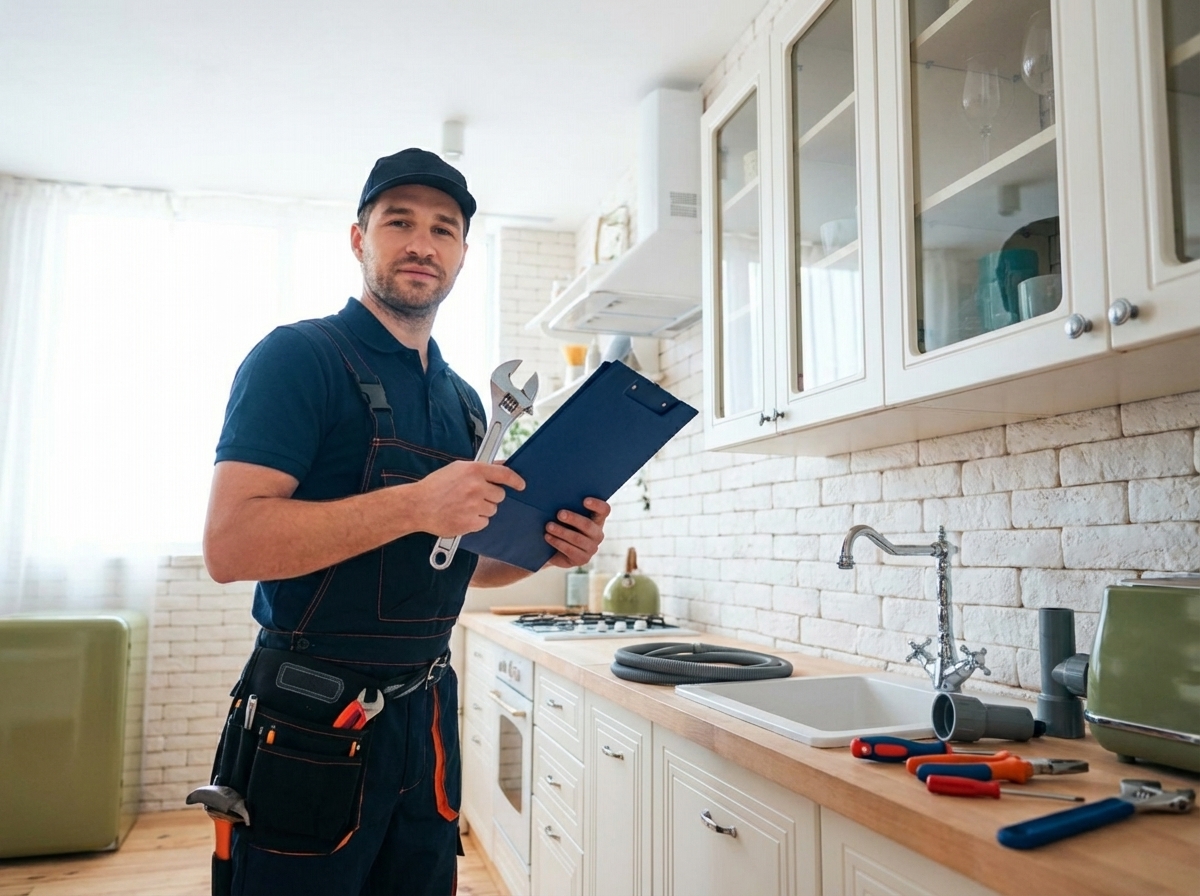
Navigating the ins and outs of plumbing codes can feel overwhelming. But don’t worry, we’re here to simplify these essentials. Let’s dive into what you need to know about Central Florida plumbing.
Basics of Florida Building Code Plumbing
Florida’s codes are designed to ensure safety and efficiency in plumbing systems. These codes regulate everything from pipe sizes to installation techniques. For example, did you know that a drain pipe must have a 1/4 inch per foot drain slope? This helps water flow smoothly, reducing the chance of clogs. You can find more detailed regulations in the Florida Building Code documentation.
Knowing these basics can help avoid common mistakes. Most people think they can skip certain steps, but each part of the code plays a critical role. Understanding these details ensures your plumbing system functions safely and efficiently.
Essential Residential Plumbing Codes in Florida
Residential plumbing codes cover various aspects, including fixture installation and pipe materials. For instance, a TPR discharge pipe must be installed correctly to prevent pressure build-up in water heaters. This can avert potential hazards. The importance of following these codes cannot be overstated. Many homeowners underestimate the consequences of non-compliance, leading to expensive repairs down the line.
Additionally, anti-scald devices are crucial for preventing accidents. The Florida Building Code outlines specific requirements for these devices to protect against sudden temperature changes. Ignoring such details could result in safety risks that are entirely avoidable.
Code-Compliant Plumbing Practices
Following code-compliant practices ensures your plumbing system runs smoothly. For example, using the right materials is key. Did you know that certain pipe types are more suitable for Florida’s climate? These choices affect both longevity and performance.
Moreover, regular inspections are vital. They help catch potential issues before they escalate. It’s a small step that can save you both time and money. Most people think that once installed, plumbing doesn’t require much attention, but this isn’t true. Regular checks are part of a smart maintenance strategy.
Navigating Plumbing Permits and Inspections
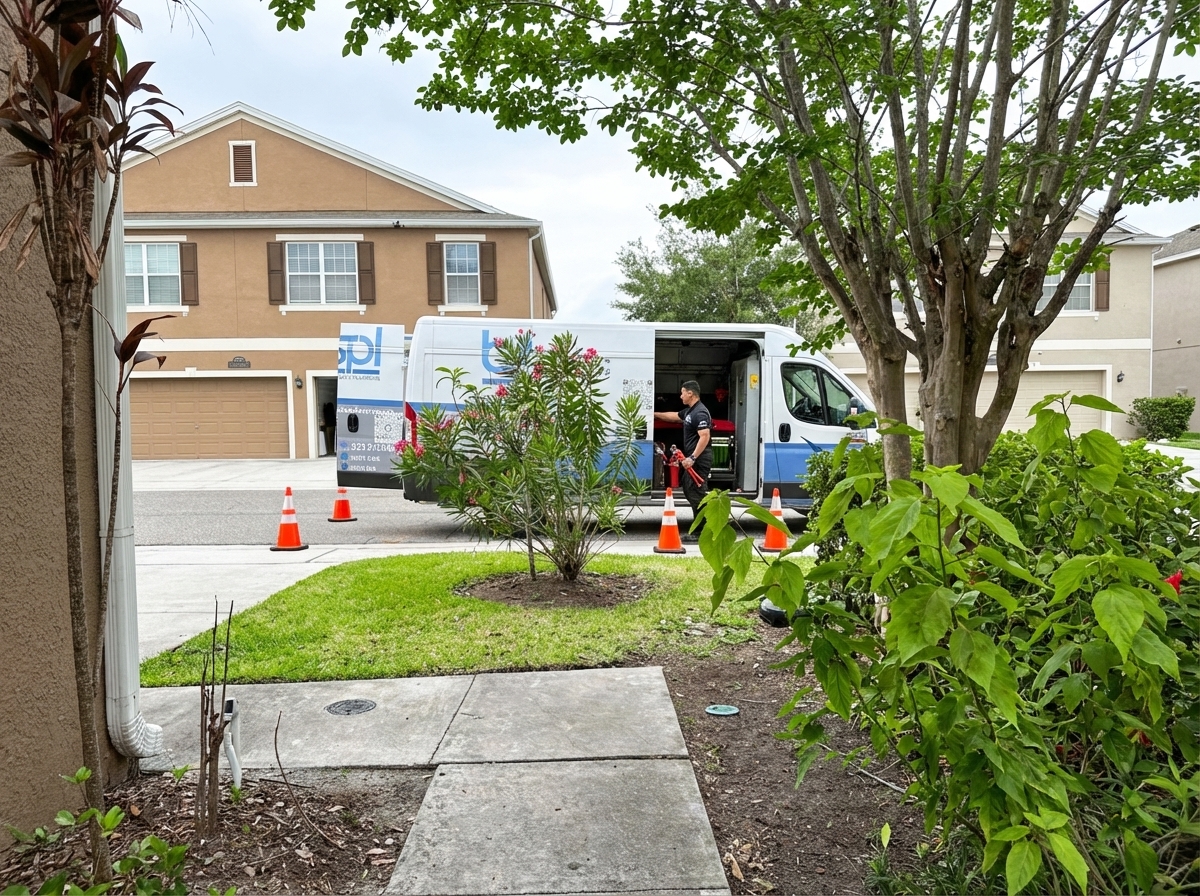
Understanding permits and inspections is crucial to avoid project delays. Let’s break down what you need to know to keep your project on track.
Plumbing Permits Central Florida Overview
Permits ensure that your project meets all safety standards. Whether you’re remodeling a bathroom or installing a new water heater, obtaining a permit is often necessary. This process helps protect your investment and ensures the work is up to code.
In Central Florida, permits cover various aspects, including fixture installation and pipe replacement. The longer you wait to secure these permits, the more you risk project delays. Start early to avoid these setbacks and keep everything on schedule.
Orlando and Orange County Permit Requirements
Orlando and Orange County have specific permit guidelines. For instance, a plumbing inspection checklist can be crucial for understanding what inspectors will look for. This checklist covers everything from pipe sizing to fixture placement.
It’s essential to familiarize yourself with these requirements. Most people think they can bypass certain steps, but compliance is critical. Following local guidelines ensures your project is completed without unnecessary interruptions.
Seminole County Plumbing Inspection Insights
In Seminole County, inspections are crucial for verifying that work meets code standards. These inspections cover various elements, including drain and vent systems. For example, a drain system must be correctly sloped to ensure proper water flow.
Understanding these requirements can prevent costly setbacks. Many homeowners overlook these inspections, thinking they’re optional. But in reality, they’re a critical part of the process. The plumbing inspection checklist provides valuable insights into what inspectors will focus on.
Avoiding Common Plumbing Mistakes
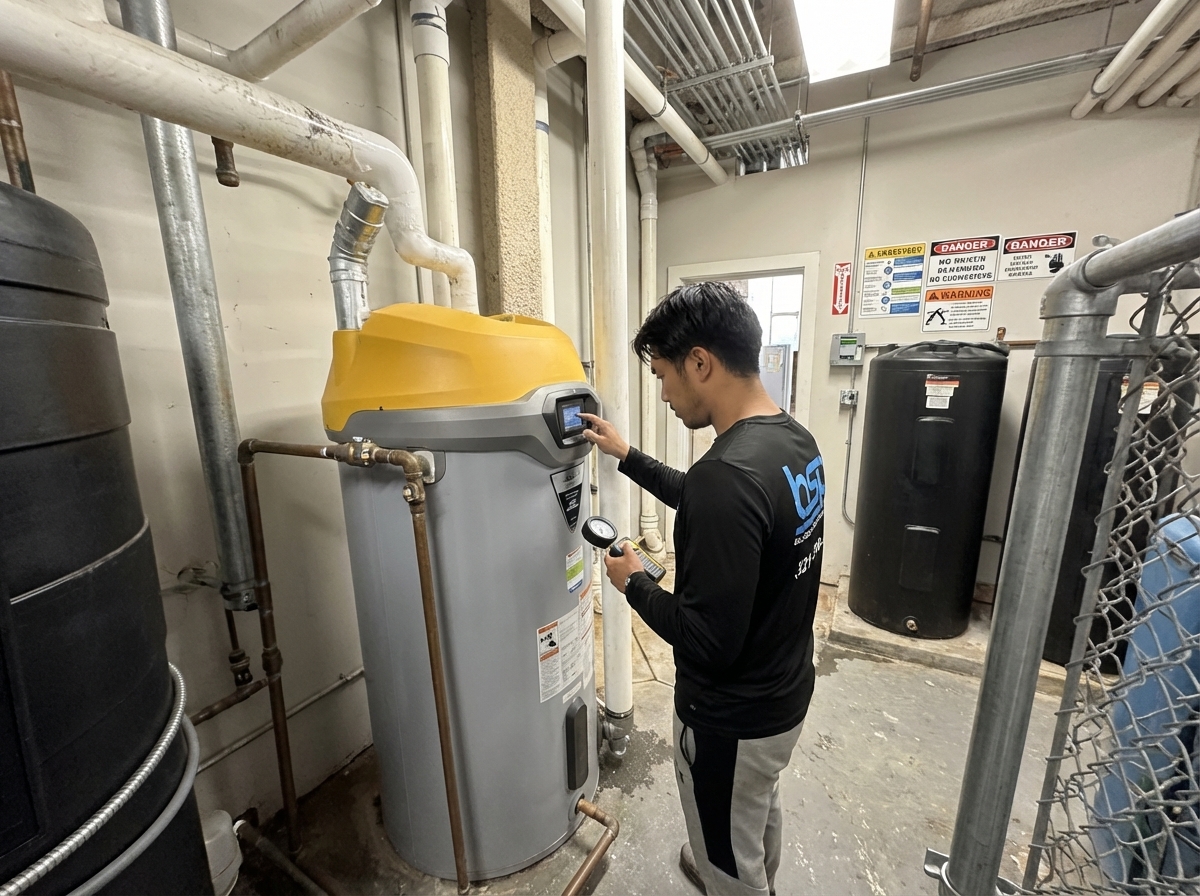
Mistakes in plumbing can lead to serious issues. Let’s explore how to avoid common pitfalls and ensure a successful project.
Key Plumbing Code Violations
Code violations can result in hefty fines and project delays. Some common violations include incorrect pipe sizing and improper fixture installation. Many people believe they can cut corners, but this often leads to more significant problems.
Correcting these violations can be costly. It’s essential to follow the guidelines to avoid these issues from the start. Most people think they can handle all aspects of plumbing on their own, but professional guidance is crucial to ensuring everything is up to code.
Tips for DIY Plumbing Success
If you’re tackling a DIY project, preparation is key. Ensure you have the right tools and materials before starting. A common mistake is rushing into a project without a clear plan. This can lead to costly errors.
Consider starting with smaller tasks before moving on to more complex projects. Many homeowners find success by gradually increasing their skills and knowledge. Remember, the key to success is preparation and understanding the basics.
Benefits of Hiring a Licensed Plumber Orlando
Hiring a licensed plumber can save you time and money. Professionals bring expertise and experience that ensures the job is done right the first time. They understand local codes and regulations, reducing the risk of violations.
Most people think hiring a professional is costly, but it often saves money in the long run. A licensed plumber brings peace of mind, knowing your project is in capable hands. When it comes to plumbing, investing in quality service can prevent future headaches.
In conclusion, understanding Central Florida plumbing codes and regulations is essential for any project. By staying informed and seeking professional guidance when needed, you can avoid common mistakes and ensure a successful outcome.