
Water Heater Repair vs. Replacement: Make the Right Call for Your Central Florida Property
A leaking water heater or no hot water can bring your day to a halt. Deciding between water heater repair and replacement isn’t always clear, especially with options like tankless water heaters and electric or gas models. We’ll walk you through key factors like water heater age, safety, and total cost so you can make the right call for your Central Florida property. Call or text Blessed Solutions Plumbing today for a same-day water heater assessment and upfront options. Prefer online? Book now to secure priority scheduling. For more information on deciding between repair and replacement, you can refer to this guide.
When to Repair Your Water Heater
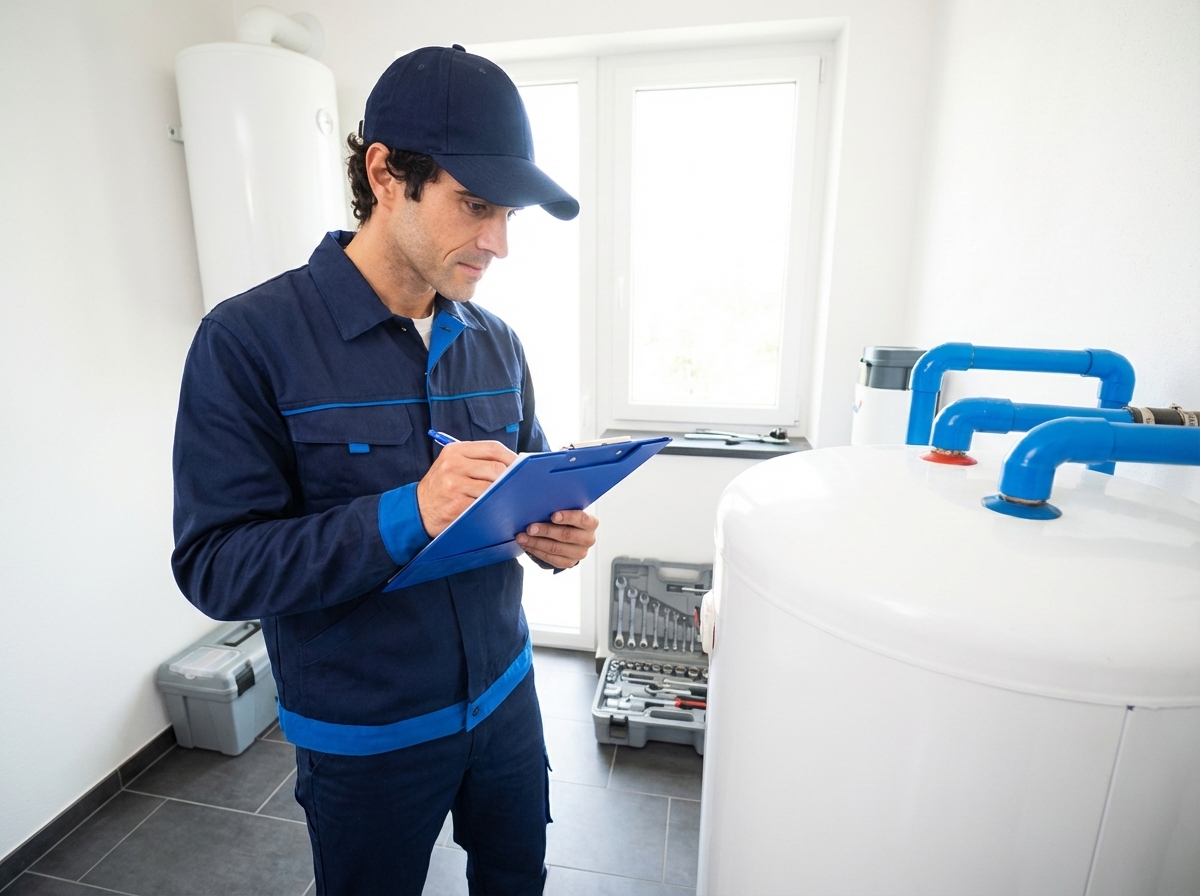
Getting the best out of your water heater starts with knowing when a repair is enough. Let’s explore some key aspects to check before making any decisions.
Assessing Water Heater Age
Is your water heater over a decade old? Water heaters typically last 8-12 years depending on maintenance and usage. An older unit may require frequent repairs, leading to higher costs over time. If your water heater is nearing the end of its lifespan, it might be time to consider a replacement. But if it’s younger, a simple fix could get it running smoothly again.
Still unsure? Many homeowners find that a small investment in repairs can extend the life of their heater. Regular maintenance, like anode rod replacement and sediment flush, can significantly delay the need for a new unit.
Checking for Leaks and Corrosion
Leaks and rust are red flags you shouldn’t ignore. Small leaks might just need a quick patch-up, but extensive corrosion is a different story. Look for rusty water or puddles around the heater. These could indicate a tank failure in the making.
If leaks are limited to fittings or valves, you might avoid a full replacement. Yet, more significant damage often means the tank is compromised. Don’t wait too long; the longer you let it go, the more damage can occur. For more insights, review this source.
Evaluating Thermostat and Element Issues
No hot water? The issue might be as simple as a faulty thermostat or heating element. These components are relatively easy and inexpensive to replace. If the water heater makes strange noises, it might indicate sediment buildup affecting the elements.
Before deciding on a replacement, consider a thermostat replacement or thermocouple check. A minor repair might restore your hot water supply without a hefty price tag. It’s often a quick fix that can save you money and hassle in the short term.
Deciding on Water Heater Replacement
Sometimes, a repair just won’t cut it. Here’s how to know when it’s time for a new water heater.
Signs You Need a New Unit
Frequent breakdowns and escalating energy bills are strong indicators. If your water heater struggles to meet your household’s demands or if repairs are becoming common, a new unit might be more cost-effective in the long run.
Look out for constant cycling or inconsistent temperatures. These are signs your heater is working harder than it should. When repairs are no longer cost-effective, consider investing in a replacement.
Comparing Tank vs Tankless Options
Choosing between a tank and a tankless water heater can feel overwhelming. Tankless options provide hot water on demand and are more compact, but they can have a higher upfront cost. Tanks, like the 40-gallon water heater, are more traditional and usually less expensive initially.
Evaluate your household needs and budget. Tankless might be ideal for energy savings if you have a smaller home or fewer hot water needs. For larger families, a tank system might be the better choice.
Understanding Energy Efficiency and Costs
Energy efficiency is key to cost savings. An energy-efficient water heater can lower utility bills significantly over time. If your current unit is driving bills up, a replacement might be a smart financial decision.
Consider the annual operating costs of your current heater. New models often come with improved efficiency ratings, meaning long-term savings. For more details on cost considerations, check out this article.
Making the Right Choice
Now that you’ve weighed your options, it’s time to make an informed decision that suits your needs best.
Weighing Total Costs and Benefits
Consider both the short-term and long-term expenses. Calculate the cost of continual repairs versus the price of a new unit. A new heater might seem pricey initially, but it often pays for itself in reduced repair and utility costs.
Factor in potential tax credits or rebates for energy-efficient models, which can help offset initial costs. Long-term savings and peace of mind often justify a new investment.
Importance of a Code-Compliant Installation
Ensuring your water heater is installed correctly can save you from headaches down the road. A code-compliant installation guarantees safety and efficiency, protecting your home and family from potential risks.
Choosing a reliable installer like Blessed Solutions Plumbing is crucial. We ensure every installation meets all local codes and standards, providing you with peace of mind and lasting performance.
Contacting Blessed Solutions Plumbing
Ready to take action? Blessed Solutions Plumbing is here to help with a same-day plumbing service and upfront pricing. Our team of licensed and insured professionals is ready to assess your situation and offer tailored solutions.
Don’t wait until a minor issue becomes a major problem. Reach out today for a comprehensive evaluation and let us guide you toward the best decision for your home’s water heating needs.
For more detailed guidance, you can also explore this comprehensive resource.